The Duncan Intelligence is a free, technical newsletter for business aircraft owners and operators. Written in-house by Duncan Aviation's technical representatives, each edition includes technical tips and advice on topics and trends in business aviation. It is a free, monthly e-mail subscription for aviation enthusiasts around the world.
Subscribe now to receive the Duncan Intelligence in your inbox.
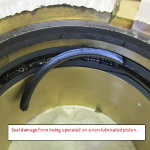
Honeywell issued Service Bulletin AS907-72-9094 that calls for the replacement of the #4 carbon seal on the HTF7000/AS907 series engines. We can do this as an engine-only event in as little as 4 days.
Are your aircraft's RVSM operations fully compliant? While FAA requirements shifted away from standalone approved programs, configuration control and height-monitoring standards remain strictly enforced. Learn the key differences between Section 9 and Section 3 pathways and Duncan Aviation’s role in keeping you airworthy.
As business travel demands grow, many owners of piston twins begin looking at turboprops for greater range, payload, reliability, and operational flexibility. But moving to turbine power involves more than buying a larger aircraft. From maintenance planning and pilot training to operating costs and regulatory requirements, a successful transition depends on carefully matching the aircraft to the mission. This article examines the key benefits, tradeoffs, and considerations to help buyers determine whether a turboprop is the right next step for their operation.
Most overhaul delays don't start in the shop. They start with the logbooks when the serial number stamped on a part doesn't match the one listed in the maintenance logs. Reconstructing that paper trail can ground an aircraft for weeks and force you to replace parts that are actually totally fine. Here's a quick breakdown of where Chapter 5 records often fall through the cracks and how to resolve discrepancies before your aircraft goes down.
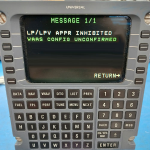
While the FAA encourages the TCAS 7.1 upgrade, strict ICAO and EASA mandates make it a necessity for international operators. Learn how Version 7.1 improves flight safety, impacts your flight plans, and what certification path your aircraft requires.
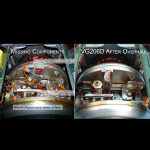
Because of our years of knowledge and experience repairing the damage after an electrolytic leveling switch blows, we included its replacement as part of our overhaul.
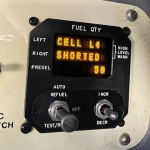
Duncan Aviation airframe technicians recently addressed recurring intermittent fuel quantity issues in two Gulfstream 550 aircraft. Continue reading to learn about their troubleshooting steps and the results they achieved.
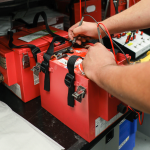
An aircraft's battery is one of THE highest-maintenance components on board, with items due every three months or 100 hours. Yet it is often ignored, abused, and left idle for long stretches of time.
If you aren’t tracking your tire changes then you will be required to comply with the most stringent of the required inspections, when all you probably need is a new tire and visual inspection.
One of the most annoying things that detracts from the comfort and convenience of flying is a lingering, unpleasant odor. For the last several years, Duncan Aviation has been installing the air-cleaning ionization system from ACA, and our clients have been pleasantly surprised by how clean and fresh the system keeps the air in the cabin during all phases of flight.
Find out why Duncan Aviation is an amazing place to work. From wellness benefits to training and a huge variety of job opportunities with plenty of room for growth.
According to IADA, although just 7% of the world’s aircraft dealers have earned IADA accreditation, they are responsible for 40% of the world's pre-owned sales. IADA Accredited Dealers buy and sell more aircraft by dollar volume than the rest of the world’s dealers combined, averaging over 700 transactions and $6 billion in volume per year.
The ramping of environmental water towards an exit point has always been a challenge. Careful inspection of susceptible areas will ensure unwanted corrosion won’t set in…