
Aircraft Window Condensation Can Cause Avionics Instrument Corrosion
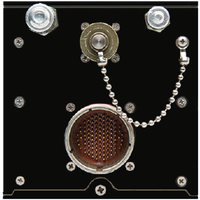
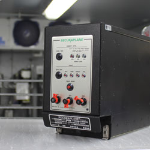
As condensation collects on the windshield of our aircraft, it has to drip somewhere. And that somewhere is directly on this units below.
The Duncan Intelligence is a free, technical newsletter for business aircraft owners and operators. Written in-house by Duncan Aviation's technical representatives, each edition includes technical tips and advice on topics and trends in business aviation. It is a free, monthly e-mail subscription for aviation enthusiasts around the world.
Subscribe now to receive the Duncan Intelligence in your inbox.
As condensation collects on the windshield of our aircraft, it has to drip somewhere. And that somewhere is directly on this units below.
As the pre-owned aircraft market stabilizes, the Bombardier Global Express XRS has solidified its status as the top-tier value choice for ultra-long-range travel. Offering intercontinental reach and a proven platform at a significant discount compared to newer models, the XRS represents a strategic entry point for value-conscious operators. The following analysis breaks down the current pricing trends, critical value drivers, and the competitive landscape for this enduring market leader.
The precision of an aircraft’s Environmental Control System depends on small, often-overlooked temperature sensors. These units act as miniature vacuums, drawing in cabin air, along with dust and debris, to provide the real-time data necessary for passenger comfort. This article explores why regular cleaning and maintenance of these sensors is critical to ensuring the ECS delivers the precise climate control it was engineered to provide.
It’s a common question that many operators hesitate to ask, but the answer is a definitive no. In reality, regular gas-path cleaning is a vital pillar of preventive maintenance, especially for aircraft operating in salt air or polluted environments. A strategic wash schedule is your best defense against performance loss and the high cost of corrosion.
Affecting 600+ aircraft, these Learjet aileron Service Bulletins require specialized NDT inspections and structural modifications. Duncan Aviation’s experts break down the requirements, downtime expectations, and why choosing the right facility is vital.
A little understanding on how radar stabilization works can help both the flight crew determine erroneous return information, and assist the maintenance technicians tasked with troubleshooting the system.
Keep reading to learn the two steps to clear the Critical PAS/SBAS/WAAS messages after the FC06 update.
Because of our years of knowledge and experience repairing the damage after an electrolytic leveling switch blows, we included its replacement as part of our overhaul.
You invest a lot of money keeping gyros airworthy. Follow these critical considerations when packing your gyroscope for transportation.
Duncan Aviation airframe technicians recently addressed recurring intermittent fuel quantity issues in two Gulfstream 550 aircraft. Continue reading to learn about their troubleshooting steps and the results they achieved.
An aircraft's battery is one of THE highest-maintenance components on board, with items due every three months or 100 hours. Yet it is often ignored, abused, and left idle for long stretches of time.
If you aren’t tracking your tire changes then you will be required to comply with the most stringent of the required inspections, when all you probably need is a new tire and visual inspection.
One of the most annoying things that detracts from the comfort and convenience of flying is a lingering, unpleasant odor. For the last several years, Duncan Aviation has been installing the air-cleaning ionization system from ACA, and our clients have been pleasantly surprised by how clean and fresh the system keeps the air in the cabin during all phases of flight.
Find out why Duncan Aviation is an amazing place to work. From wellness benefits to training and a huge variety of job opportunities with plenty of room for growth.
According to IADA, although just 7% of the world’s aircraft dealers have earned IADA accreditation, they are responsible for 40% of the world's pre-owned sales. IADA Accredited Dealers buy and sell more aircraft by dollar volume than the rest of the world’s dealers combined, averaging over 700 transactions and $6 billion in volume per year.