The Duncan Intelligence is a free, technical newsletter for business aircraft owners and operators. Written in-house by Duncan Aviation's technical representatives, each edition includes technical tips and advice on topics and trends in business aviation. It is a free, monthly e-mail subscription for aviation enthusiasts around the world.
Subscribe now to receive the Duncan Intelligence in your inbox.
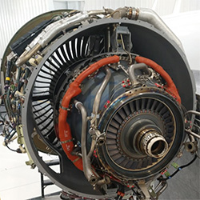
Honeywell issued Service Bulletin AS907-72-9094 that calls for the replacement of the #4 carbon seal on the HTF7000/AS907 series engines. We can do this as an engine-only event in as little as 4 days.
Are your aircraft's RVSM operations fully compliant? While FAA requirements shifted away from standalone approved programs, configuration control and height-monitoring standards remain strictly enforced. Learn the key differences between Section 9 and Section 3 pathways and Duncan Aviation’s role in keeping you airworthy.
As business travel demands grow, many owners of piston twins begin looking at turboprops for greater range, payload, reliability, and operational flexibility. But moving to turbine power involves more than buying a larger aircraft. From maintenance planning and pilot training to operating costs and regulatory requirements, a successful transition depends on carefully matching the aircraft to the mission. This article examines the key benefits, tradeoffs, and considerations to help buyers determine whether a turboprop is the right next step for their operation.
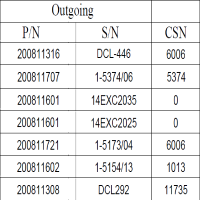
Most overhaul delays don't start in the shop. They start with the logbooks when the serial number stamped on a part doesn't match the one listed in the maintenance logs. Reconstructing that paper trail can ground an aircraft for weeks and force you to replace parts that are actually totally fine. Here's a quick breakdown of where Chapter 5 records often fall through the cracks and how to resolve discrepancies before your aircraft goes down.
While the FAA encourages the TCAS 7.1 upgrade, strict ICAO and EASA mandates make it a necessity for international operators. Learn how Version 7.1 improves flight safety, impacts your flight plans, and what certification path your aircraft requires.
As business aviation fleets modernize, many aircraft are still carrying the literal weight of the past. Removing obsolete avionics and legacy antennas can reduce maintenance burdens, improve performance, and boost resale value. This article explores why streamlining your aircraft’s configuration is a strategic investment in long-term operational efficiency.
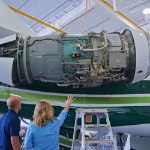
Customers often assume failures can’t happen when they aren’t flying but talk to any of Duncan Aviation’s Satellite Shops, and we’ll confirm it’s a very common occurrence.
What can ground an aircraft faster than a failed component? Documentation. When you think about what keeps your aircraft airworthy, you usually think of tangible systems such as engines, avionics, landing gear, and flight controls. Rarely does paperwork top the list. It should.
As 2025 comes to an end, ACS Rep Rene Cardona reflects on what shaped this year’s preowned business jet market. The fourth quarter is always busy, but this year brought a unique level of intensity, driven by economic uncertainty early on and a surge of confident buyers later. Here’s his perspective on what we experienced in 2025—and what to expect as we head into 2026.
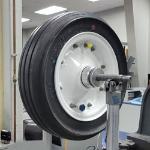
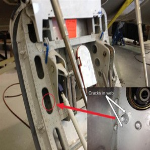
Don't get grounded by confusing nose wheel vibrations! A true nose gear shimmy—that rapid, side-to-side oscillation—is a serious issue often linked to play in the torque links, requiring immediate mechanical attention. In contrast, a simple vertical shudder felt during taxi or initial climb is often just an easily corrected wheel imbalance. This quick guide details the key differences and the essential steps to accurately troubleshoot the condition, starting with a simple inspection of the nose gear scissors.
Is your aircraft compliant? Missing small inspections tied to STCs or life-limited parts can lead to costly downtime and mandatory replacements. Learn why detailed records research is essential.
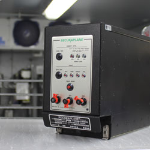
Don't Let Your Spare Aircraft Batteries Go Flat!
Keeping a stock of essential aircraft batteries is crucial for operational readiness, but did you know that improper storage can drastically cut their lifespan and capacity? While temperature affects performance in the air, the storage environment is key to minimizing self-discharge and maintenance needs. Discover how optimizing storage temperature—from the effects of higher heat to the benefits of cold storage—can save you money, extend battery life, and ensure your spares are ready to deliver maximum performance when you need them most.
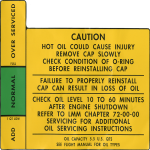
Honeywell has issued two Category II Reliability Service Bulletins, TFE731-79-3070 R1 and TFE731-79-5120, for the installation of new instruction plate decals on oil tanks to help prevent oil over-servicing.
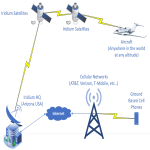
To continue conducting business, operators need to stay connected to their contacts on the ground while at any altitude, anywhere in the world. Here is a low-cost alternative.
We urge a thorough inspection of this specific area during all future maintenance, especially as part of a pre-purchase evaluation, to detect and address cracks early.